Munich
Osterwaldstr. 10
80805 Muenchen
Germany
Company
For over 30 years, enterprise software has shaped the way we work. Yet today, more than 70% of what people do in organizations every day decisions, escalations, problem-solving happens outside of these systems. Why? Because we have been forcing fluid, human interactions into rigid structures: filling out forms, booking time, updating CRMs, and logging data into ERPs.
All that changes today. Computers now understand language and in many ways surpass us in processing and generating text. AI agents, powered by large language models, can adapt to nearly any context, freeing us from the deterministic software models of the past. No longer is software a form you need to fill out or a workflow you need to configure, it becomes a member of your team.
But as AI agents enter the workforce, companies must evolve, and the biggest challenge is not technical, it is organizational. Who manages these agents? How do we integrate them into existing hierarchies? What about security, permissions, and governance?
The good news is that companies already have the answer. AI agents understand natural language, which means IT does not need to be the day-to-day bottleneck for every operational change. IT can focus on what it does best securing complex architectures, managing integrations, and governing core systems while operational teams are empowered to design, govern, and continuously improve their own workflows within those guardrails.
Every company also runs on learned patterns years of decision-making, problem-solving, and adaptation. By capturing and refining these patterns, we can create a system that continuously evolves, learning from every case, surfacing the best solutions, and dynamically adjusting workflows. The result is a system that ensures agents have the blueprint they need to automate routine tasks while ensuring the highest-value work and, most importantly, the decision remains human.
Imagine work being orchestrated like modern navigation adjusting in real time based on past journeys and live conditions. Just as GPS transformed travel, Interloom is building the first true navigation system for work, powered by vector embeddings, process traces, and an adaptive knowledge graph. This is not about imposing rigid structures, it is about software that works in tandem with people enhancing decisions, adapting dynamically, and optimizing outcomes at scale.
At Interloom, we are rewriting centuries of organizational theory creating a future where humans and AI agents work together seamlessly, unlocking a 10x increase in productivity. And we believe that this is already possible with the technology we have today.
Join us on this journey.
The Founding Team at Interloom
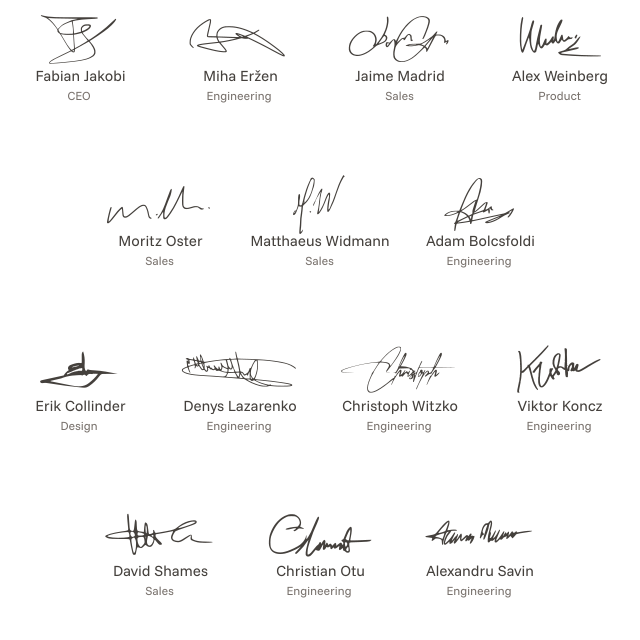
The people behind Interloom.
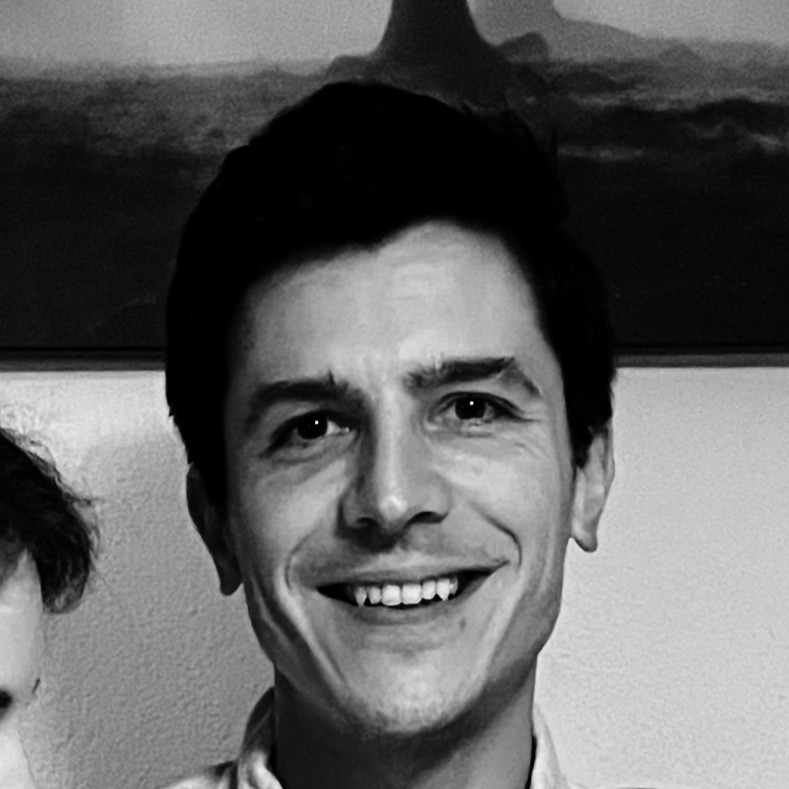
Adam Bolcsfoldi
Staff Software Engineer
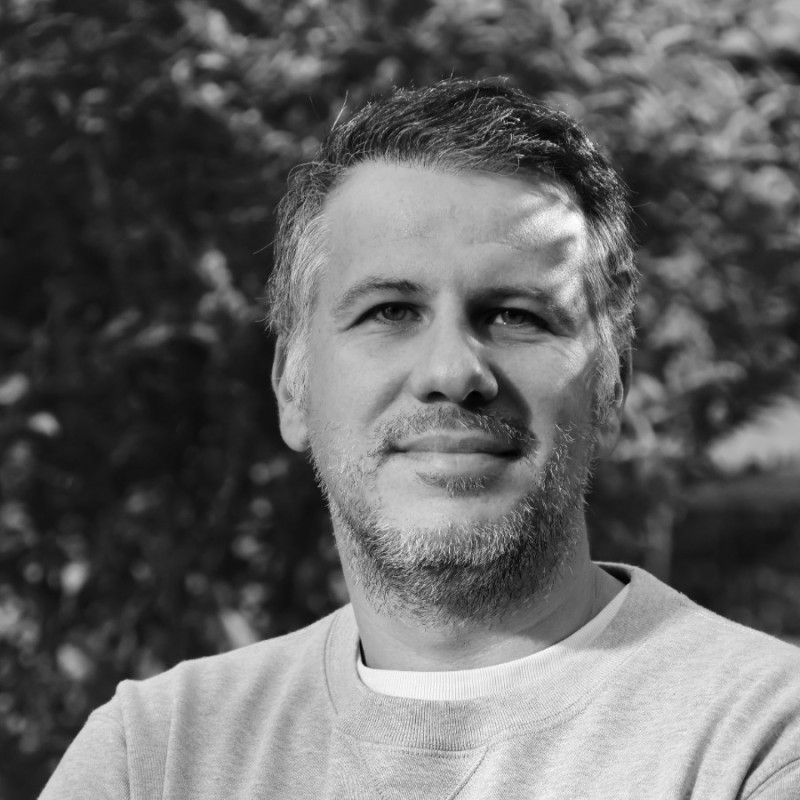
Alex Charest Weinberg
Head of Product
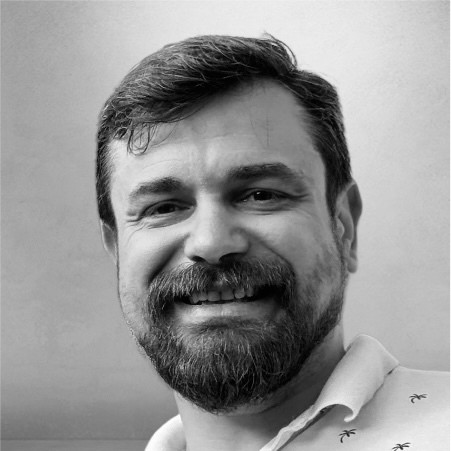
Alexandru Savin
Staff Software Engineer

Bozhidara Ognyanova Ivanova
Senior ML Engineer
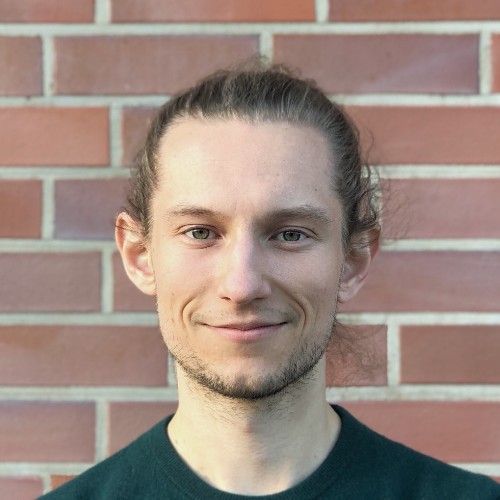
Christoph Witzko
Staff Software Engineer

Denys Lazarenko
Senior ML Engineer
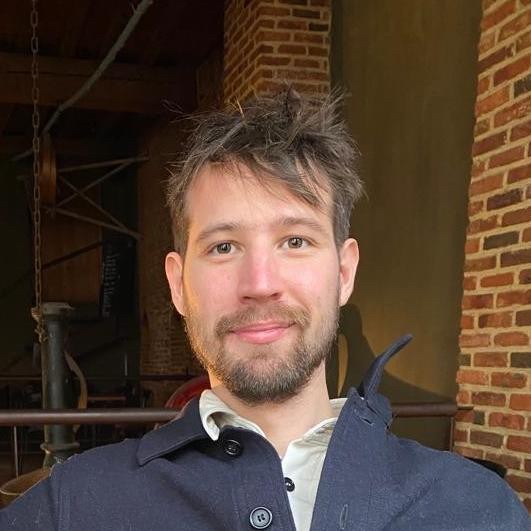
Erik Collinder
Head of Design
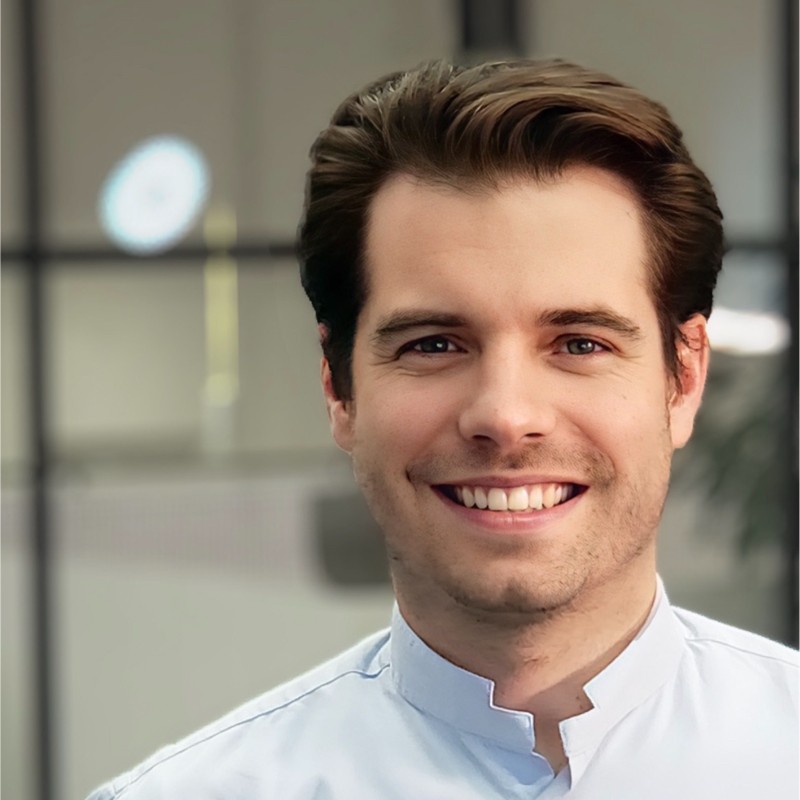
Fabian Jakobi Schmidt
CEO

Felix Schlensok
Growth Manager

Gráinne Ní Shé McKnight
Head of AI

Jaime Dario Madrid
Head of Sales
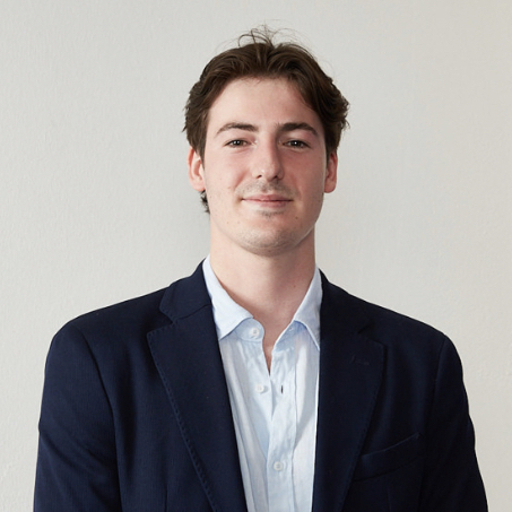
Matthaeus Widmann
Head of Growth

Miha Eržen
Head of Engineering
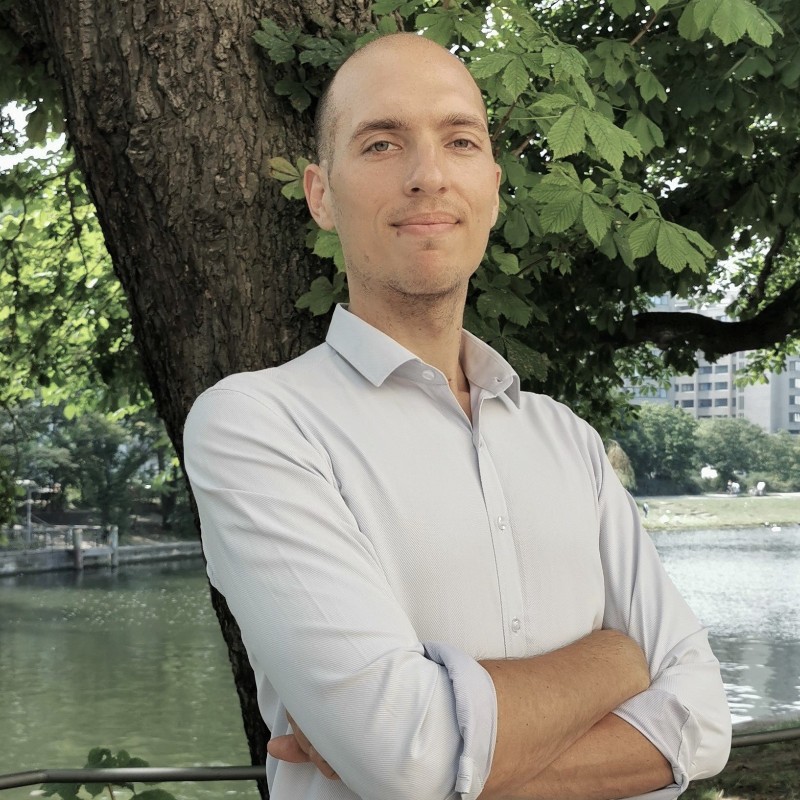
Moritz Oster
Senior Solutions Architect

Raina Joanne Fernandez
Senior Solutions Architect
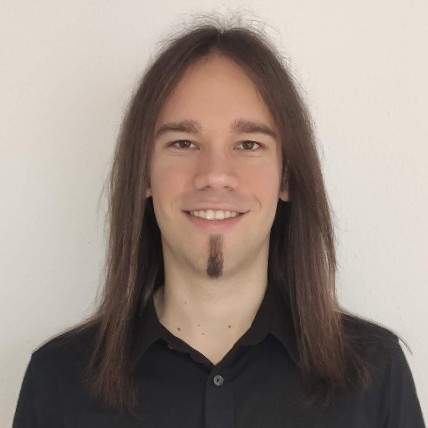
Viktor Koncz
Senior Frontend Engineer

Volker Hans Ullrich Benser
Head of Finance
Osterwaldstr. 10
80805 Muenchen
Germany
Leuschnerdamm 13
10999 Berlin
Germany
Van Hallstraat 43-2
1051GX Amsterdam
Netherlands